65W vs 100W Is Not About Bigger Being Better
A 100W USB-C charger is not automatically better than a 65W charger. The better choice depends on your device, charging limit, cable, and whether you need extra power headroom.

A 100W USB-C charger is not automatically better than a 65W charger. The better choice depends on your device, charging limit, cable, and whether you need extra power headroom.
That 100W multi-port charger may not give 100W to every port at the same time. Multi-port chargers usually share a total power budget across connected devices.

A higher-watt USB-C charger is not always the smarter buy. Your device decides what power it can actually use, so 20W, 30W, or 45W may depend on the device.
A charger can say “fast” and still not give your phone its best charging speed. The charger, cable, phone, and charging standard all have to work together.
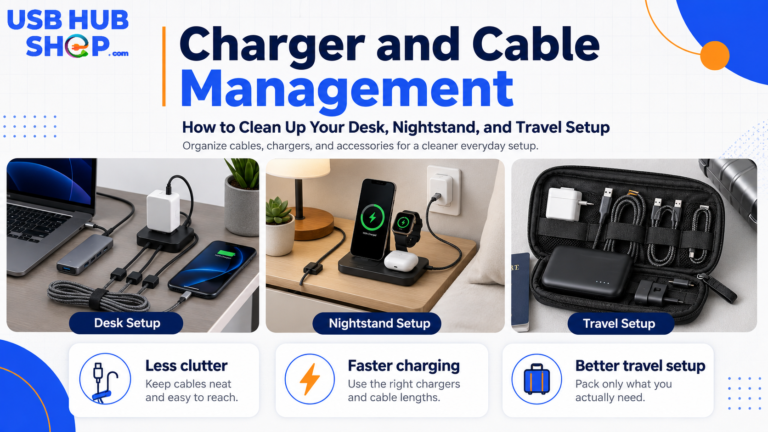
A clean charging setup starts with fewer chargers, better cables, and a smarter place for everything. Here is how to organize your desk, nightstand, and travel charging kit.
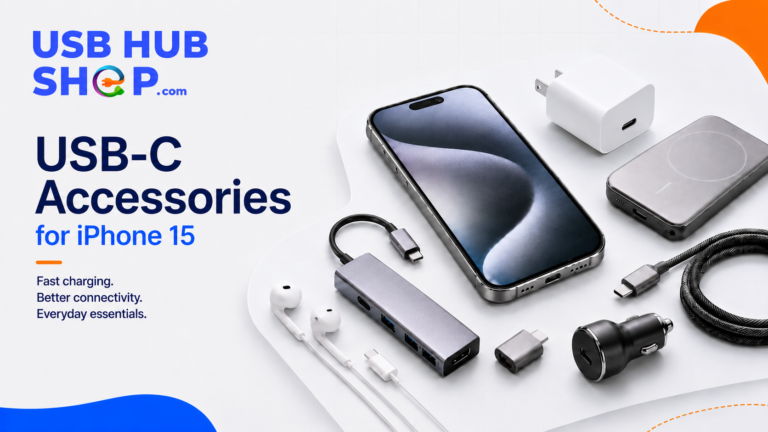
The iPhone 15 changed the accessory question by moving to USB-C. Here is what to buy first, what to skip, and how to avoid the wrong charger, cable, or adapter.
The Belkin SurgePlus USB Swivel Charger is still useful as a compact wall surge protector, but its USB-A charging ports are outdated for modern USB-C devices.
The Unitek USB Charging Station is still useful for organizing and charging multiple devices, but buyers should check the USB-C wattage, USB-A limits, and whether newer USB-C charging stations make more sense.
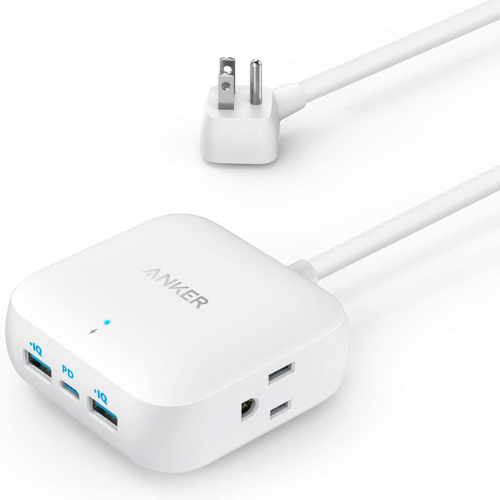
The Anker PowerPort Strip PD 2 Mini is still useful for phones, tablets, travel, dorms, and light desk setups — but its 18W USB-C port is not enough for fast laptop charging.
Fast iPhone charging depends on more than the adapter. This guide explains wired USB-C charging, MagSafe, wattage, cable type, and what to buy for the fastest safe charge.